Exploring the Benefits of Aluminum Custom Manifolds in Construction
Understanding Custom Manifolds in Construction
What Are Custom Manifolds?
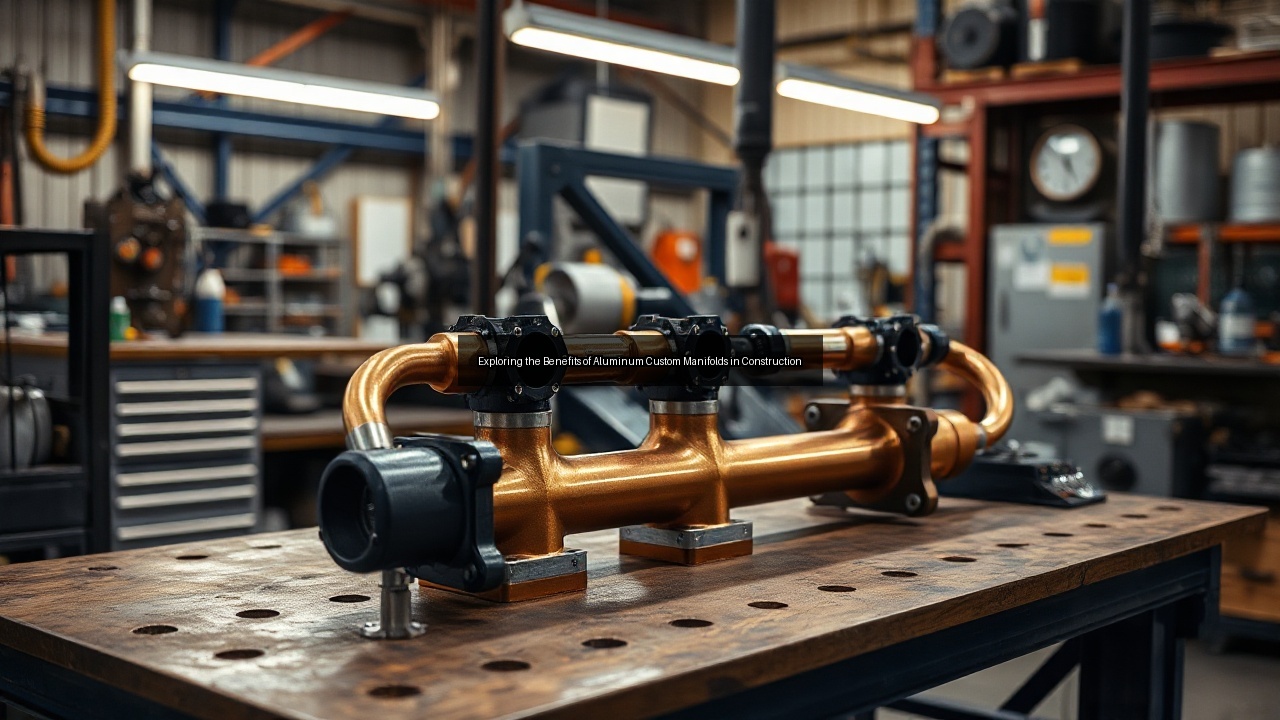
Custom manifolds play a vital role in various construction applications, serving as critical components that manage fluid flow. These devices effectively distribute hydraulic or pneumatic fluids throughout a system, ensuring that machinery operates smoothly and efficiently. Unlike standard manifolds, custom manifolds are tailored to meet specific requirements, allowing for optimized performance in unique applications. They incorporate various features like integrated ball valves, sensors, and connection points that enhance their functionality and adaptability. Customization can involve altering design parameters such as size, shape, and material type, ensuring that the manifold fits seamlessly into any construction project. By addressing the specific needs of the project, custom manifolds improve overall efficiency and reliability, making them an essential component in modern engineering.
Key Components of Custom Manifolds
Understanding the key components of custom manifolds is crucial for appreciating their role in construction. A typical custom manifold consists of a base body, ports, and valves. The base body often features multiple inlet and outlet ports designed to connect with various hydraulic or pneumatic lines. These ports allow for fluid to enter and exit the manifold, facilitating its intended function. Valves, including ball valves and check valves, regulate the flow of fluids, providing control over pressure and direction. Additionally, the design may include mounting brackets to secure the manifold in place, ensuring stability during operation. Advanced features like pressure gauges and temperature sensors can also be integrated, allowing for real-time monitoring of system performance. Each component works in concert to deliver optimal functionality, making custom manifolds indispensable in construction and related industries.
Benefits of Aluminum Custom Manifolds
Lightweight and Durable Properties
Aluminum custom manifolds offer significant advantages over traditional steel and stainless steel options, primarily due to their lightweight and durable properties. The reduced weight of aluminum not only makes installation easier but also enhances the overall efficiency of hydraulic systems. Lighter components lead to less strain on machinery and support structures, which can result in longer lifespans for both the manifold and the associated equipment. Despite being lightweight, aluminum boasts impressive strength, allowing it to withstand the high pressures common in hydraulic applications without compromising integrity. This combination of durability and lightness makes aluminum custom manifolds an attractive choice for various construction projects, from heavy machinery to delicate hydraulic systems.
Corrosion Resistance Compared to Steel and Stainless Steel
Corrosion resistance stands out as one of the most significant benefits of aluminum custom manifolds. Unlike steel, which is prone to rust and deterioration when exposed to moisture, aluminum naturally forms a protective oxide layer that shields it from environmental factors. This characteristic is particularly advantageous in construction, where equipment often faces exposure to harsh conditions, including moisture, chemicals, and extreme temperatures. While stainless steel also offers corrosion resistance, its higher cost and weight can be prohibitive for some applications. Aluminum, on the other hand, provides an ideal balance of affordability and performance. This resistance to corrosion ensures that custom manifolds maintain their functionality and structural integrity over time, reducing the need for frequent replacements and maintenance.
Enhanced Thermal Management Capabilities
Thermal management is another critical aspect where aluminum custom manifolds excel. Aluminum's excellent thermal conductivity allows for efficient heat dissipation, crucial in applications involving high-speed fluid flow. By effectively managing temperatures, these manifolds help prevent overheating in hydraulic systems, which can lead to equipment failure and costly downtime. In industries such as oil and gas, where thermal fluctuations are common, maintaining optimal operating temperatures is essential. Custom designs can incorporate features that enhance thermal performance, such as finned surfaces or integrated cooling channels. With improved thermal management capabilities, aluminum custom manifolds contribute to the longevity and reliability of fluid power systems, making them a wise choice for demanding construction environments.
Applications of Custom Manifolds in Various Industries
Hydraulics in Construction and Forestry
Custom manifolds serve critical functions in hydraulics for the construction and forestry industries. In construction, hydraulic systems power heavy machinery such as excavators, bulldozers, and cranes. Custom manifolds efficiently manage the flow of hydraulic fluid, ensuring that these machines operate effectively under various loads and conditions. In forestry, custom manifolds control hydraulic systems used in equipment like log splitters and tree harvesters. The ability to tailor the manifold design to specific machinery requirements enhances performance and reliability. By optimizing fluid distribution and control, custom manifolds improve operational efficiency, reduce fuel consumption, and minimize wear on hydraulic components, ultimately supporting sustainable practices in both industries.
Fluid Power Applications in Agriculture
In agriculture, custom manifolds play a vital role in fluid power applications. They support a range of equipment, including tractors, irrigation systems, and seeders. Custom manifolds enable precise control over hydraulic systems, allowing farmers to manage tasks such as planting, harvesting, and irrigation more effectively. For example, an appropriately designed manifold can optimize the flow of hydraulic fluid to various attachments on a tractor, improving efficiency and reducing energy consumption. The use of aluminum in these applications further enhances durability and corrosion resistance, ensuring that equipment remains functional in challenging agricultural environments. As the agricultural industry continues to embrace technology, the demand for custom manifolds that support advanced fluid power systems will only increase.
Custom Exhaust Manifolds in Oil and Gas
The oil and gas industry heavily relies on custom exhaust manifolds to manage exhaust gases from engines and turbines. These manifolds play a crucial role in ensuring efficient exhaust flow while minimizing emissions. Custom exhaust manifolds can be custom manifolds design engineered to fit specific engine designs and performance requirements, optimizing the overall functionality of the exhaust system. Using aluminum in these applications offers significant benefits, including reduced weight and enhanced thermal management. As the industry moves toward stricter environmental standards, custom exhaust manifolds that effectively manage emissions and improve fuel efficiency will become increasingly important. Companies that specialize in the manufacturing of custom manifolds for oil and gas applications will continue to play a pivotal role in supporting sustainable practices within the sector.
The Design and Manufacturing Process of Custom Manifolds
Utilizing Advanced Software for Custom Designs
The design process for custom manifolds begins with advanced software that allows engineers to create precise models tailored to specific applications. Utilizing Computer-Aided Design (CAD) software, designers can simulate fluid dynamics, assess pressure points, and optimize the layout of ports and valves. This technology enables quick adjustments and iterations, ensuring the final design meets all operational requirements. Engineers can also visualize how the manifold will fit within existing systems, reducing the likelihood of errors during installation. By leveraging advanced software, companies can streamline the design process, resulting in high-quality custom manifolds that enhance performance across various industries.
The Role of Engineering in Custom Manifold Fabrication
Engineering plays a pivotal role in the fabrication of custom manifolds. Skilled engineers assess the project’s specific needs, considering factors such as pressure ratings, fluid types, and environmental conditions. They collaborate with designers to ensure that the final product adheres to safety and performance standards. The engineering process includes selecting appropriate materials, such as aluminum, and determining the best manufacturing methods. Techniques like CNC machining and welding are commonly used to create precise manifolds that meet stringent specifications. The integration of engineering expertise into the manufacturing process ensures that custom manifolds are not only functional but also reliable and durable, standing up to the demands of their intended applications.
Quality Control in Manifold Manufacturing
Quality control is essential in the manufacturing of custom manifolds, ensuring that every product meets the highest standards of performance and safety. Manufacturers implement rigorous testing procedures throughout the production process, including pressure testing, dimensional inspections, and material analyses. These tests verify that the manifolds can handle the required pressures and are free of defects. Additionally, manufacturers often utilize advanced technologies like Non-Destructive Testing (NDT) to identify potential weaknesses without damaging the product. By prioritizing quality control, companies can deliver custom manifolds that not only meet customer custom manifolds design specifications but also enhance the overall safety and efficiency of hydraulic and fluid power systems.
See Also
- The Importance of Custom Manifolds in High-Performance Exhausts
- How Custom Manifolds are Changing the Game in Fluid Mechanics
- From Concept to Creation The Journey of Custom Manifolds
- Innovative Software Solutions for Custom Manifold Engineering
- The Art of Designing Custom Manifolds for Optimal Performance