The Art of CNC Turning Discovering the Magic of Swiss Machining Techniques
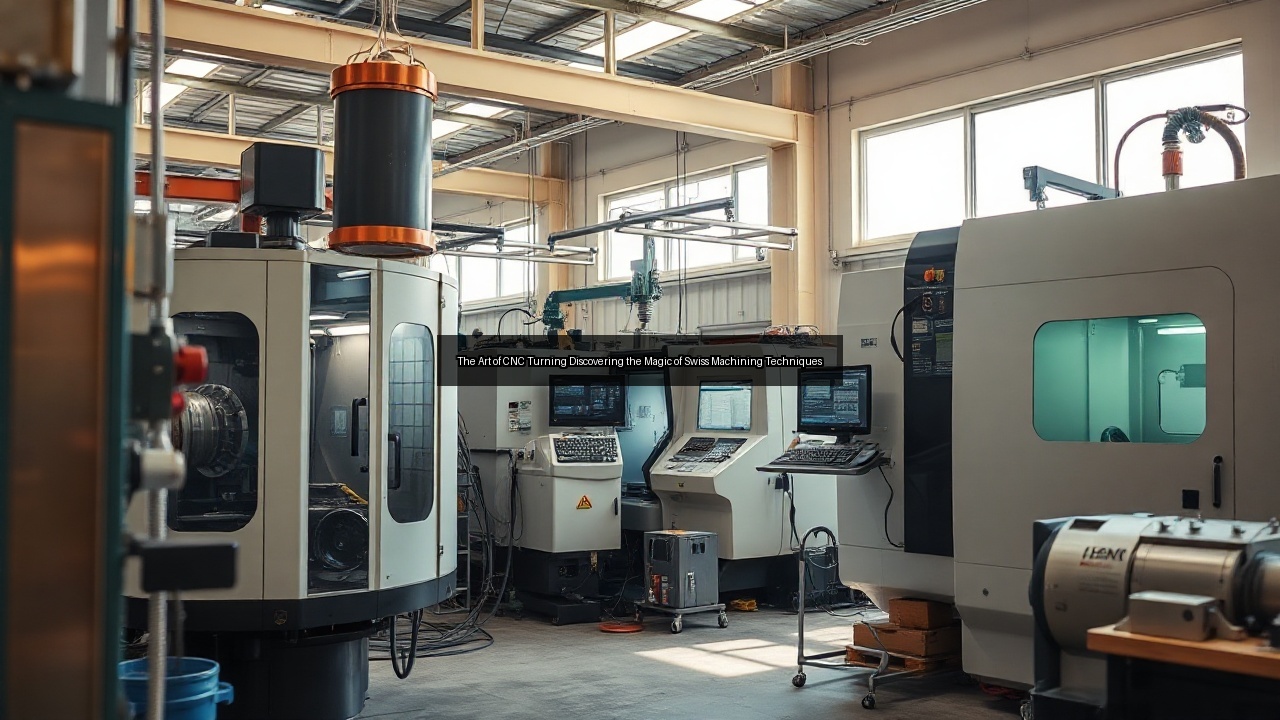
Understanding CNC Turning and Swiss Machining
What is CNC Turning?
CNC turning rotates a workpiece on a lathe while a cutting tool shapes it into precise cylindrical forms. Operators program the machine to handle complex contours, threads, and diameters with consistent results across production runs. This method excels at creating pins, screws, and shafts from bar stock. CNC turning delivers high accuracy for parts that require rotational symmetry, and it supports both prototyping and high-volume output. Fabricators rely on it to reduce manual intervention and maintain tight control over surface finishes.
The process integrates spindle speeds and feed rates to optimize material removal. Modern setups combine turning with live tooling for milling operations in a single cycle. Manufacturers achieve repeatable tolerances that meet demanding specifications in every batch. CNC turning forms the foundation for many precision components used across industries.
Introduction to Swiss Machining Techniques
Swiss machining techniques guide the workpiece through a guide bushing close to the cutting tool, which minimizes deflection during operation. This setup enables exceptionally long, slender parts with fine details. Swiss screw machining originated for watch components but now serves broader needs. A swiss machining service applies these methods to produce intricate features like undercuts and cross holes efficiently. The sliding headstock advances material steadily while tools perform multiple operations.
Technicians program CNC controls to manage collets, bushings, and multiple axes simultaneously. Swiss approaches reduce vibration and support higher spindle speeds than conventional lathes. Shops deliver screw machined parts with superior straightness and concentricity. These techniques expand capabilities for small-diameter work that standard cnc machines struggle to handle.
Key Differences Between CNC Turning and Swiss Machining
CNC turning holds the workpiece in a chuck or collet away from the tool, which suits shorter, rigid parts. Swiss machining keeps the material supported near the cutting zone, allowing longer runs without chatter. The guide bushing in swiss screw machining maintains alignment for diameters under 1 inch with extreme length-to-diameter ratios. CNC turning often requires secondary operations for complex geometries, while swiss setups complete parts in one pass.
Throughput differs as well. Swiss machines handle continuous bar feeding for uninterrupted cycles. Standard cnc turning prioritizes larger stock sizes and heavier cuts. Both processes use similar cutting tools, yet swiss techniques achieve tighter tolerances on fine features. Fabricators select the method based on part length, diameter, and required volume.
The Efficiency of Swiss Machining Services
Speed and Throughput in Swiss Machining
Swiss machining services achieve rapid cycle times through simultaneous tool operations and automatic bar feeding. Multiple spindles and turrets cut different features at once, shortening overall production duration. High spindle speeds combined with optimized feeds remove material quickly without sacrificing finish quality. Shops process thousands of parts per shift when running screw machines around the clock.
Throughput increases further with minimal setup changes between similar components. Operators load long bar stock once and produce complete parts continuously. This speed advantage supports just-in-time delivery schedules for customers needing consistent supply. Efficient chip evacuation and coolant systems keep machines running without frequent stops.
Achieving Precision with Tolerances
Swiss techniques hold tolerances as tight as ±0.0002 inches on critical dimensions through the guide bushing support. The close proximity of tools to the workpiece prevents bending during cuts. CNC controls monitor positions in real time and adjust automatically for thermal expansion. Precision machining services using these methods deliver parts that assemble without additional fitting.
Accuracy remains stable across high volumes because the process minimizes tool deflection. Technicians verify dimensions with in-process probing and optical comparators. Tight tolerances on threads, diameters, and lengths reduce scrap rates and ensure functional performance in final assemblies. Swiss screw machining consistently meets specifications that conventional turning cannot maintain on long parts.
The Role of CNC Machines in Efficient Production
CNC machines drive efficiency by executing programmed sequences without constant operator input. Swiss models integrate milling, drilling, and threading in one setup, eliminating transfers between machines. Automated tool changers and bar loaders extend unattended runtime. This automation allows a single technician to oversee multiple cnc machines during long shifts.
Software optimizes tool paths and speeds for each material, reducing cycle times further. Data collection from the machines supports predictive maintenance that prevents unexpected downtime. CNC turning centers and swiss lathes together handle diverse part families with quick changeovers. The result is scalable production that matches fluctuating demand without excess inventory.
Materials Used in Swiss Machining
Common Materials: Copper, Stainless Steel, and Nylon
Copper machines cleanly in swiss setups, producing excellent surface finishes for electrical contacts and fittings. Its high conductivity makes it ideal for precision components in electronics. Stainless steel offers corrosion resistance and strength, suiting medical and aerospace fasteners. Swiss screw machining handles 303 and 316 grades effectively with proper tooling.
Nylon provides lightweight, wear-resistant options for gears and bushings. The material cuts without melting when feeds and speeds stay controlled. Fabricators select these metals and plastics based on strength, conductivity, and environmental needs. Each responds differently to cutting tools, yet swiss techniques accommodate the variations through adjustable parameters.
The Importance of PTFE and Acetal in Machining
PTFE, also known as Teflon, machines to tight tolerances despite its softness and tendency to creep. Swiss methods support thin-walled PTFE parts used in seals and insulators. Low friction properties benefit sliding components in medical devices. Acetal delivers dimensional stability and low moisture absorption for precision gears and valves.
Both materials require sharp tools and moderate speeds to avoid gumming. Swiss machining services achieve smooth finishes on PTFE and acetal without secondary polishing. These plastics expand application possibilities where metal parts would add unwanted weight or conductivity. Proper coolant selection prevents heat buildup that could distort features.
Comparing Machinability of Various Materials
Copper ranks high in machinability due to its ductility and chip formation. Stainless steel demands tougher inserts and slower speeds but yields durable results. Nylon and acetal cut easily yet require care to maintain tolerances. PTFE presents challenges from its low stiffness, which swiss guide bushings help overcome. Machinability ratings guide parameter selection for each job.
Volume production favors materials that hold dimensions consistently across batches. Shops test feeds, speeds, and tool geometries to balance removal rates with tool life. CNC turning and swiss machining both benefit from material-specific programming. Understanding these differences allows fabricators to quote accurate lead times and costs for mixed-material orders.
Applications of Swiss Machining Techniques
Aerospace and Automotive Industries
Aerospace manufacturers depend on swiss machining service for fuel system fittings, sensor housings, and actuator pins. The process delivers lightweight, high-strength parts that withstand extreme conditions. Automotive applications include transmission components, fuel injectors, and brake system valves. Tight tolerances ensure reliable performance in safety-critical systems.
High-volume runs of screw machined parts meet production schedules for both sectors. Swiss techniques produce complex geometries in one operation, reducing assembly steps. Materials like stainless steel and aluminum withstand vibration and temperature cycles common in these environments. Precision machining supports weight reduction goals without compromising structural integrity.
Precision Machining for Medical Devices
Medical device companies use swiss screw machining to create surgical instruments, implant components, and diagnostic equipment parts. Biocompatible materials such as stainless steel and PTFE receive fine threads and smooth finishes required for patient contact. Small diameters and long features appear frequently in catheters and endoscopic tools.
ISO 9001 certified shops maintain traceability and cleanliness standards essential for regulatory approval. CNC controls document every parameter for validation batches. Swiss methods produce consistent results that support sterilization and repeated use. Accuracy in these applications directly affects device functionality and patient outcomes.
Applications in Electronics and Consumer Goods
Electronics manufacturers order connectors, pins, and heat sink components from swiss machining services. Copper and brass provide conductivity while nylon insulators prevent shorts. Consumer goods benefit from precision threaded inserts, knobs, and hardware that enhance product durability and appearance. High throughput allows competitive pricing on these smaller parts.
Swiss turning creates fine details like knurls and slots that improve grip and assembly. CNC machines handle both prototype quantities and mass production with identical quality. The process supports rapid iteration when designers refine consumer product features. Reliable supply chains depend on the repeatability these techniques provide.
Quality Assurance in Swiss Machining
ISO 9001 Certification and Its Importance
ISO 9001 certification establishes documented processes for consistent output in swiss machining service operations. Auditors review equipment calibration, operator training, and inspection protocols. Certified facilities demonstrate control over every production stage from material receipt to final shipment. Customers gain confidence that parts meet specifications repeatedly.
McCormick Industries maintains this standard to support regulated industries requiring proven quality systems. Certification drives continuous improvement through corrective actions and performance metrics. It reduces variability that could affect downstream assembly or product safety. Buyers specify ISO 9001 suppliers to minimize incoming inspection burdens.
Logistics Management for Just-In-Time (JIT) Production
Logistics management coordinates material deliveries and finished part shipments to align with customer production schedules. JIT practices minimize inventory while ensuring swiss machined components arrive exactly when needed. Real-time tracking and kanban signals trigger replenishment automatically. This approach cuts carrying costs and prevents line stoppages from part shortages.
Swiss screw machining centers integrate with ERP systems to forecast demand accurately. Suppliers adjust run sizes based on consumption data rather than large batches. Efficient logistics reduce lead times for precision parts used in aerospace and medical assemblies. Strong coordination between machining shops and clients sustains smooth operations.
Tools and Technologies for Quality Control
Coordinate measuring machines, optical comparators, and laser micrometers verify dimensions on cnc machined parts. In-process probing inside swiss machines catches deviations before completion. Statistical process control charts track trends and trigger adjustments. Cutting tool wear monitoring prevents out-of-tolerance conditions from developing.
Digital records link each batch to specific machine parameters and inspection results. This traceability supports root-cause analysis when issues arise. Advanced software simulates tool paths to identify potential problems during programming. Quality tools combined with skilled operators ensure every shipment meets customer expectations for accuracy and appearance.
See Also
- Why ISO 9001 Certification Matters for Your Swiss Machining Partner
- From Prototype to Production How Swiss Machining Services Streamline Manufacturing
- Navigating the World of CNC Machining Services for High-Volume Projects
- Precision Meets Innovation The Future of Swiss Machining in Advanced Fabrication