The Evolution of HVAC Temperature Sensors in Modern Automation Solutions
The Role of HVAC Temperature Sensors in Building Automation
Understanding HVAC Systems and Their Components
HVAC systems play a critical role in maintaining comfortable indoor environments across various settings, from residential homes to large commercial buildings and data centers. These systems consist of heating, ventilation, and air conditioning components that work together to regulate temperature, humidity, and air quality. Key elements of an HVAC system include the air handling unit, ductwork, thermostats, and, importantly, HVAC temperature sensors. These sensors monitor the temperature and provide essential data to the control systems, ensuring optimal performance and energy efficiency.
Integration of Temperature Sensors in Climate Control
Temperature sensors integrate seamlessly into HVAC systems, serving as the backbone of effective climate control. By constantly measuring the ambient temperature, these sensors relay information to the system's control unit, which can adjust heating and cooling outputs accordingly. This dynamic response not only maintains desired temperature settings but also enhances overall efficiency. For instance, if an HVAC temperature sensor detects a drop in indoor temperature, the system can automatically increase heating output, ensuring comfort while minimizing energy waste. Such integration is vital for modern building automation, allowing precise control over indoor environments.
The Impact of Temperature Monitoring on Indoor Air Quality
Indoor air quality (IAQ) significantly influences health, comfort, and productivity. Effective temperature monitoring through HVAC temperature sensors directly impacts IAQ by regulating humidity levels and preventing the growth of mold and other allergens. For example, when temperature sensors detect elevated humidity, the HVAC system can adjust ventilation rates or activate dehumidifiers. This proactive approach helps maintain a healthy environment, reducing the risk of respiratory issues and enhancing overall well-being. Moreover, integrating advanced sensors with building automation systems allows for real-time monitoring and adjustments, creating a responsive system that prioritizes both comfort and air quality.
Types of HVAC Temperature Sensors and Their Applications
Thermocouples vs. Thermistors: A Comparison
When discussing HVAC temperature sensors, thermocouples and thermistors frequently emerge as prominent options. Thermocouples, which consist of two different metals joined at one end, measure temperature by producing a voltage proportional to temperature differences. They excel in high-temperature applications, making them suitable for industrial HVAC systems. On the other hand, thermistors are temperature-sensitive resistors that change resistance with temperature variations, offering higher accuracy at lower temperatures. While thermocouples are robust and can handle extreme conditions, thermistors provide precise readings, making them ideal for residential HVAC systems. Understanding the differences between these sensors enables HVAC professionals to choose the right type for specific applications and environments.
Smart Thermostats: Revolutionizing Temperature Control
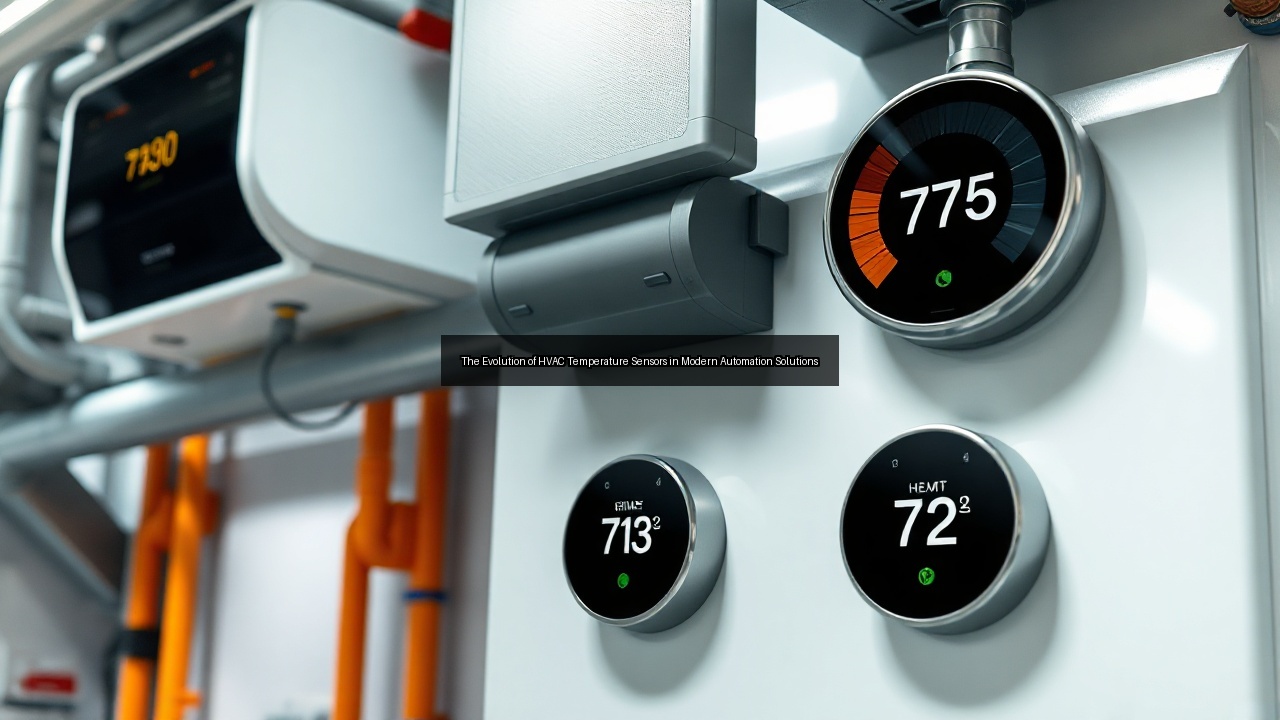
Smart thermostats represent a significant advancement in HVAC temperature sensors, revolutionizing how temperature control is managed in modern buildings. These devices utilize advanced algorithms and machine learning to analyze occupancy patterns and adjust settings accordingly. By learning user preferences, smart thermostats optimize heating and cooling schedules, enhancing comfort while reducing energy consumption. Integration with mobile apps allows homeowners and facility managers to monitor and control HVAC systems remotely, providing unprecedented convenience. Furthermore, smart thermostats often include features such as geofencing, which adjusts temperatures based on occupancy, ensuring efficient energy use and improving overall HVAC performance. This innovation exemplifies how technology transforms traditional HVAC systems into intelligent, responsive solutions.
Occupancy Sensors and Their Role in Energy Efficiency
Occupancy sensors are instrumental in enhancing the energy efficiency of HVAC systems. These sensors detect the presence of individuals in a space and adjust the heating or cooling output based on occupancy levels. For instance, in an office building, occupancy sensors can reduce HVAC activity in unoccupied rooms, conserving energy while maintaining comfort in occupied areas. This targeted approach minimizes energy waste, leading to significant cost savings on utility bills. Additionally, when integrated with HVAC temperature sensors, occupancy sensors enable systems to respond dynamically to changes in occupancy, ensuring optimal climate control. As energy efficiency becomes increasingly paramount, the role of occupancy sensors in HVAC automation solutions continues to grow.
Calibration and Maintenance of HVAC Temperature Sensors
Importance of Calibration in HVAC Systems
Calibration is vital for ensuring the accuracy and reliability of HVAC temperature sensors. An improperly calibrated sensor can lead to erroneous readings, resulting in inefficient HVAC performance and increased energy consumption. Regular calibration ensures that HVAC temperature sensors provide precise temperature measurements, allowing the system to operate effectively. This precision is particularly crucial in environments where temperature fluctuations can impact equipment performance, such as data centers. By calibrating sensors according to manufacturer specifications, HVAC professionals can maintain system efficiency and prevent costly operational issues.
NIST Standards for Accurate Temperature Measurement
The National Institute of Standards and Technology (NIST) establishes standards for accurate temperature measurement, playing a crucial role in the calibration of HVAC temperature sensors. Adhering to NIST standards guarantees that sensors meet specific accuracy requirements, ensuring reliable data collection. Using NIST-traceable calibration equipment allows HVAC technicians to maintain compliance and achieve optimal sensor performance. Regular adherence to these standards not only improves system efficiency but also enhances safety, particularly in critical environments where precise temperature control is essential.
Best Practices for Maintaining HVAC Sensors
Maintaining HVAC temperature sensors involves a combination of routine inspection, cleaning, and calibration. Regular checks for physical damage or dust accumulation help ensure sensors operate correctly. Dust and debris can interfere with sensor performance, leading to inaccurate readings. Cleaning sensors and their housing can significantly enhance their longevity and reliability. Additionally, establishing a regular calibration schedule based on the specific environment and sensor type ensures ongoing accuracy. By implementing these best practices, facility managers can maximize the efficiency of HVAC systems while prolonging the lifespan of temperature sensors.
The Future of HVAC Temperature Sensors in Automation Solutions
Emerging Technologies in Temperature Measurement
Emerging technologies are reshaping the landscape of HVAC temperature sensors. Innovations such as wireless sensors, which communicate data in real-time, are gaining traction. These sensors eliminate the need for extensive wiring, simplifying installation and reducing costs. Additionally, advanced materials and designs, such as flexible sensors, offer new possibilities for monitoring temperature in challenging environments. These developments enhance the adaptability and functionality of HVAC systems, allowing for more responsive climate control solutions tailored to specific needs.
The Role of AI and IoT in HVAC Automation
Artificial intelligence (AI) and the Internet of Things (IoT) are revolutionizing HVAC automation by enabling smarter and more efficient systems. AI algorithms analyze data from HVAC temperature sensors to optimize performance and predict maintenance needs before issues arise. IoT connectivity facilitates seamless communication between devices, allowing for real-time monitoring and control. This interconnectedness enhances energy efficiency and simplifies system management, as users can access data and make adjustments remotely. As AI and IoT technologies continue to evolve, they promise to enhance the capabilities of HVAC systems, driving innovation in building automation.
Trends in Smart Building Solutions for Enhanced HVAC Performance
Trends in smart building solutions highlight the growing emphasis on sustainability and energy efficiency in HVAC systems. The integration of advanced HVAC temperature sensors with building management systems allows for real-time data analysis and decision-making. This integration enables predictive maintenance, ensuring systems operate at peak efficiency while minimizing downtime. Furthermore, the demand for environmentally friendly solutions has led to the adoption of renewable energy sources, coupled with intelligent HVAC controls. These trends point toward a future where HVAC systems not only enhance comfort but also contribute to broader sustainability goals, meeting the needs of modern society.
See Also
- How HVAC Temperature Sensors Enhance Indoor Air Quality
- Maximizing Energy Savings Through Smart HVAC Temperature Monitoring
- Exploring the Connection Between HVAC Temperature Sensors and System Longevity
- The Role of Temperature Sensors in Optimizing Data Center Cooling
- Unlocking Efficiency with HVAC Temperature Sensors for Smart Homes